

Salting: One of the most important aspects of cooking.
- Hailey

- Apr 16, 2021
- 2 min read
Updated: Apr 28, 2021
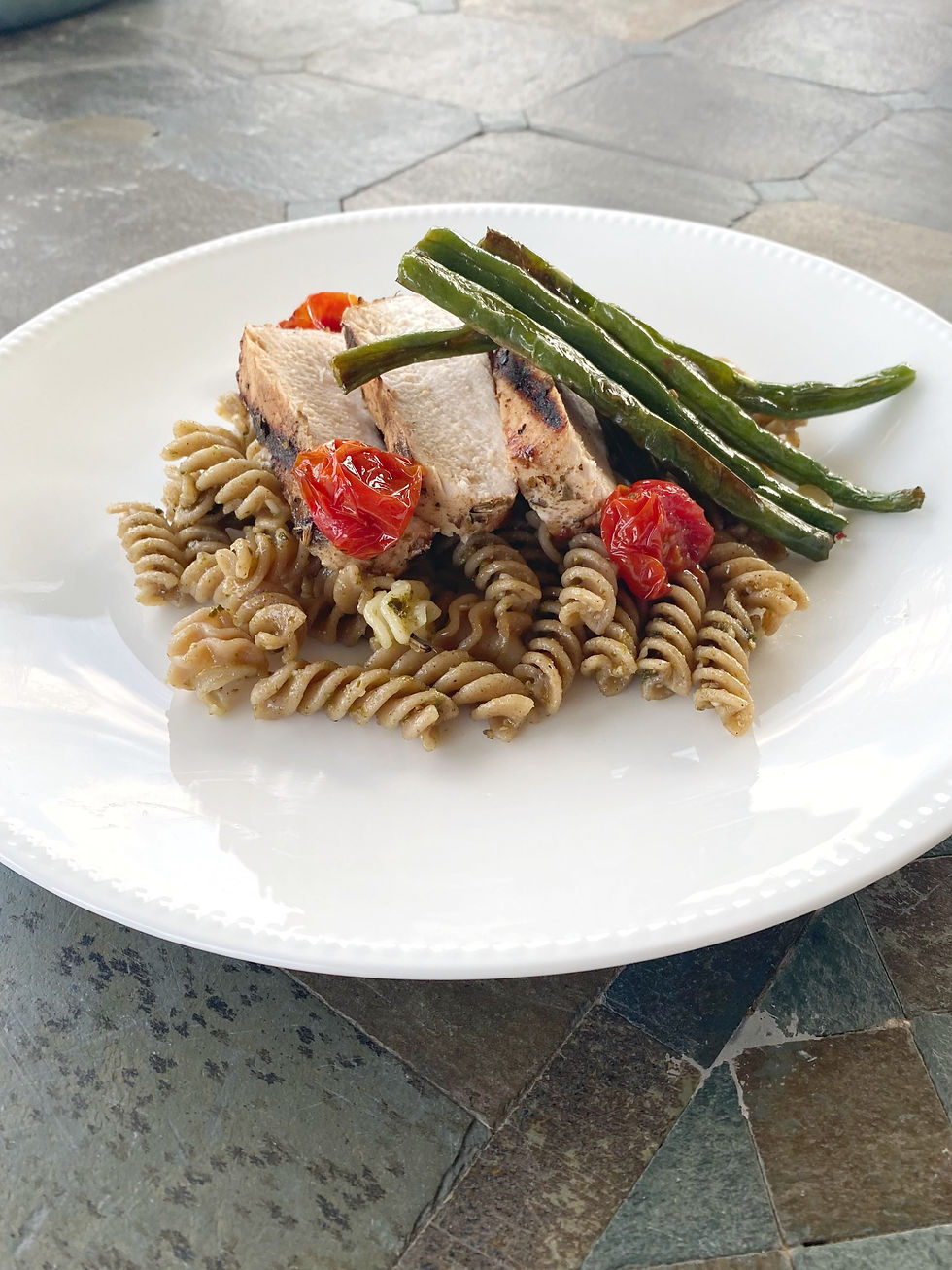
Pork chops with roasted green beans, tomatoes, and homemade pesto pasta: This dish is simple but delicious (I also made hibiscus tea, shown below). Even writing this before lunch makes my mouth water. When people think of excellent dishes, many people think of complicated meals with a ton of complex flavors. But sometimes great food can be simple but seasoned to perfection, so they showcase the food.
Which Is really important when you have great produce; however, we live in the suburbs. So, it is harder to get fresh produce. But, we have our own garden and let me tell you, fresh vegetables and fruits are so much better than ones you get at the grocery store. Because they pick them earlier so they won't go bad as fast, and if you don't get organic produce, they will have pesticides. When we went to Guatemala, we had fresh pineapple and oranges, and they were so good! They were soft, flavorful, and juicy. And adding salt to the pineapple enhances the flavors already there.

That is the same when making dinner. We had some food in the fridge that had to be cooked. When cooking my pork chops, you have to let them thaw completely and get to room temperature to cook better, then take it out of the package, and pat dry.
-Then, I roasted the green beans and later added the tomatoes for sweetness.
-And made my pasta with homemade pesto from our basil plant. They grow very well in texas.
Salting is one of the most important parts of cooking. It reduces bitterness, is a natural persevere, toughens gluten (bread), and enhances flavors. Salt brings out each flavor and makes it taste better in general. That is why chefs salt their water when making pasta, and also why it is better to salt your proteins a day in advance so that the salt can meld into the chicken.
It makes food taste better because if you use a little salt, it naturally reduces bitterness and enhances sweetness, sourness, and umami flavors that are good for sweet foods. For savory, if you use more, it will suppress sweetness and enhance umami. (Umami is the newest added flavor; it is described as savory, meaty, and savory goodness that deepens the flavor.)
If you are worrying about oversalting, don't stress, more people undersalt than overdo it. I can taste it and see if it needs more, but for big soups or dishes, it can help take a spoon full and sprinkle a little salt in there. Does it taste better? Then you should add more. Or, if you are still worried, there is a chart below that could help; it is from one of my favorite books Salt Fat Acid Heat. But, "Your palate is your ultimate abider."


Comments